Published by: AutodromeF1 Editorial Team
Cadillac F1 Team Eyes Leap Forward at Historic 2026 Chinese Grand Prix Return
NEW YORK, UNITED STATES — The Formula 1 paddock has descended upon the iconic Shanghai International Circuit, and the atmosphere is electric. For the Cadillac Formula 1 Team, the sport’s newest and most talked-about entrant, this weekend is far more than just the second round of the 2026 FIA Formula One World Championship. It represents a collision of American ambition, veteran expertise, and a profound homecoming that has been years in the making.
Following a historic debut at the season opener in Melbourne just days ago, the General Motors-backed squad faces its next gargantuan challenge: the first Sprint weekend of the new era. With a revamped technical regulation set and a high-stakes format, Cadillac F1 is looking to turn the “promising flashes” seen in Australia into tangible points on the board.
The 2026 Driver Lineup: Experience Meets Local Heroism
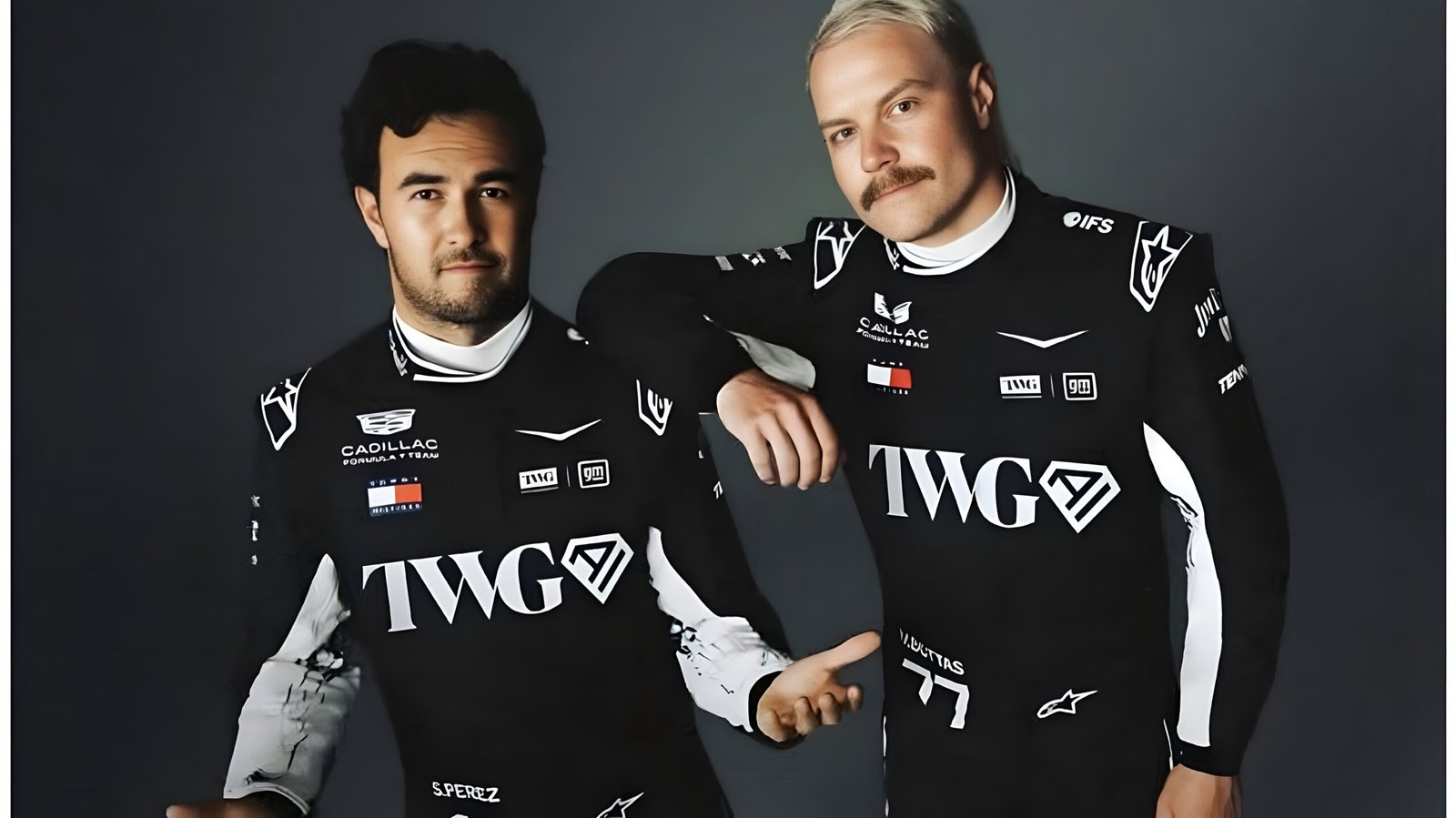
One of the most critical elements for any new team is its choice of pilots. Cadillac F1 made waves during the off-season by opting for a “safety-first” approach, signing two of the most experienced veterans on the market: 10-time Grand Prix winner Valtteri Bottas and the legendary Sergio “Checo” Perez.
However, the spotlight in Shanghai is undeniably shared with the team’s Reserve Driver, Zhou Guanyu. As the first Chinese driver in Formula 1 history, Zhou’s presence in the Cadillac garage is a massive boon for the team’s local standing. Although Bottas and Perez will handle the racing duties, Zhou has been integral to the team’s development, providing invaluable simulator data and technical feedback during the transition into the 2026 season.
Sergio Perez: The Veteran’s Resilience
Coming off a 16th-place finish in Melbourne—the first-ever race finish for the Cadillac MAC-26—Sergio Perez is focused on refinement. “Melbourne was about survival and data collection,” Perez noted during the Wednesday press conference. “Here in Shanghai, we have to start finding the limit. The car has a solid baseline, but the 2026 power units require a totally different management style.”
Valtteri Bottas: Searching for Redemptions
Valtteri Bottas, who suffered a mechanical DNF in the season opener due to a fuel system anomaly, is eager to get back on track. The Finn’s history in Shanghai is storied, including podium finishes during his Mercedes tenure. His ability to adapt to low-grip surfaces will be vital as the team navigates a circuit that has historically been tough on front tires.
Technical Analysis: Navigating the 2026 Regulations
The 2026 season marks the most significant technical reset in F1 history. The Cadillac MAC-26 is built to a set of regulations that prioritizes sustainable fuels and a massive increase in electrical output.
The Power Unit: While Cadillac (General Motors) is working toward a fully in-house power unit for 2029, the current 2026 car is powered by a Ferrari-supplied V6 hybrid.
Active Aerodynamics: A key feature of the 2026 cars is the introduction of active aero, allowing drivers to toggle between high-downforce and low-drag modes.
The 50/50 Split: The current engines achieve a nearly equal split between internal combustion and electrical power (350kW from the MGU-K). This makes energy recovery and “deployment strategy” the deciding factor on Shanghai’s 1.2km back straight.
The Shanghai Challenge: A Technical Masterpiece
The Shanghai International Circuit, designed by Hermann Tilke, is a 5.451 km masterpiece shaped like the Chinese character shàng (上). It remains one of the most technical tracks on the calendar for several reasons:
The “Snails” (Turns 1-4): This ever-tightening 270-degree complex puts immense load on the front-left tire. For a new team like Cadillac, managing “understeer” here without sacrificing rear stability for the rest of the lap is a delicate balancing act.
The Back Straight: At over a kilometer long, it is one of the longest in F1. With the new 2026 power units, drivers will need to manage their battery deployment carefully to ensure they aren’t “sitting ducks” at the end of the straight.
Variable Weather: Shanghai in March is notoriously unpredictable. Micro-climates around the circuit can lead to damp patches in the “stadium section” while the main straight remains dry.
The Sprint Format: No Room for Error
Adding to the complexity is the return of the Sprint Format. In 2026, this format has been refined to provide maximum entertainment and technical challenge:
Friday: One 60-minute Free Practice session (FP1) followed by Sprint Qualifying.
Saturday: The Sprint Race (approx. 100km) in the morning, followed by the Grand Prix Qualifying in the afternoon.
Sunday: The full-distance Chinese Grand Prix.
For Cadillac, the “one-practice” rule is a double-edged sword. With limited historical data on the MAC-26, the engineers have only 60 minutes to find a “sweet spot” setup. If they miss the window, the cars are locked into “Parc Fermé” conditions, potentially ruining the entire weekend.
”The Sprint format is high-risk, high-reward for us,” says Team Principal Graeme Lowdon. “We don’t have years of data to fall back on like Ferrari or Red Bull. We have to be perfect from the first minute of FP1.”
A Global Milestone for General Motors
The entry of Cadillac into Formula 1 is not merely a sports story; it is a corporate milestone for General Motors. By competing on the world stage, GM is leveraging F1’s focus on hybrid efficiency to accelerate its own consumer EV and performance technologies. The presence of the Cadillac brand in China—one of its most important commercial markets—underscores the strategic importance of this specific Grand Prix.
As the lights go out this Sunday, millions of eyes will be on the silver-and-black cars. Whether it’s the cheers for Zhou Guanyu in the garage or the roar of the Ferrari-powered V6 behind Bottas and Perez, Cadillac is no longer just “the new team.” They are a legitimate contender in the most technologically advanced era the sport has ever seen.
Key Race Details


