Published by: AutodromeF1 Editorial Team
From Skeptic to Savant: Hamilton Heralds New F1 Epoch After Landmark Chinese Grand Prix
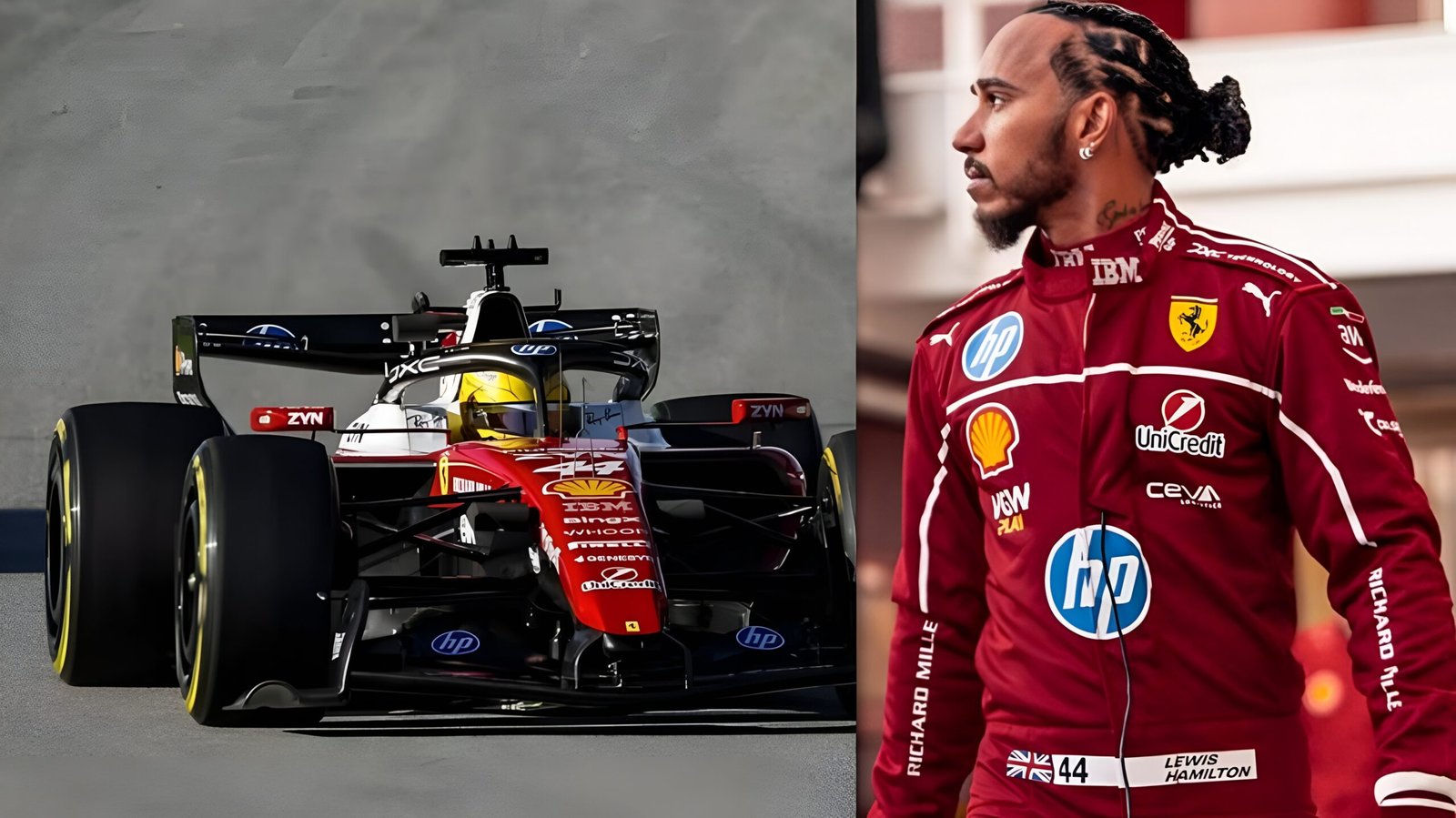
Shanghai, China – March 22, 2026 – In a profound and telling shift that will reverberate through the Formula 1 paddock for months to come, seven-time World Champion Lewis Hamilton has emerged as the most vocal and authoritative proponent of the sport’s revolutionary 2026 regulations. Speaking in the wake of a thrilling Chinese Grand Prix, a race that saw him secure a historic first podium for Scuderia Ferrari, Hamilton’s articulate endorsement of the new rules marks a stark departure from his pre-season skepticism. His comments, delivered with the conviction of a driver who has just experienced the future of motorsport firsthand, paint a picture of a revitalized sporting spectacle, characterized by the very essence of racing: raw, sustained, wheel-to-wheel combat.
The context for this Damascene conversion was a post-race press conference that felt less like a media obligation and more like a pivotal moment in the sport’s history. Fresh from an intense, race-long battle with his Maranello teammate Charles Leclerc and his former Mercedes protégé George Russell, Hamilton’s enthusiasm was palpable. He described the on-track action with a raw excitement that has often been tempered by the technical frustrations of previous eras.
“It was like go-karting,” Hamilton declared, a simple yet powerful analogy that instantly conveyed the purity and proximity of the racing. “The ability to follow, to stay on the gearbox of the car ahead without that catastrophic loss of performance… it’s a fundamental shift in our reality as drivers. For years, we have been constrained by the physics of turbulent air. Today, I felt liberated by them.”
This statement is the vindication F1’s regulators have been dreaming of for decades. The core technical philosophy of the 2026 rules was to drastically reduce the “dirty air” or turbulent wake generated by the cars. In previous generations, this wake would violently disrupt the airflow over a following car’s aerodynamic surfaces, causing a severe loss of downforce that made close racing at high speeds virtually impossible. The result was a procession-like dynamic, where overtaking often relied solely on Drag Reduction System (DRS) zones or significant tire degradation differentials.
Based on Hamilton’s testimony, the 2026 regulations have successfully engineered this aerodynamic chaos out of the equation. He detailed how he could maintain a gap of mere meters behind Leclerc and Russell through Shanghai’s sweeping, high-speed corners—sectors where following a car in 2025 would have been akin to aerodynamic suicide. The downforce remained stable, the car’s balance was predictable, and the driver was empowered to attack, defend, and strategize in real-time, corner after corner. This intense battle, a three-way high-speed chess match for the podium, served as the ultimate proof of concept, transforming a technical directive into a breathtaking sporting spectacle.
The significance of Hamilton’s praise is magnified by its contrast with his earlier, widely publicized concerns. During the rigors of pre-season testing in February, he offered a far more cautious, even critical, assessment. Faced with the daunting complexity of the new power units—which mandate a groundbreaking 50/50 split between internal combustion engine (ICE) power and electrical energy—Hamilton had warned that the sport was at risk of becoming esoteric. “These rules are ridiculously complex,” he stated at the time, expressing concern that fans might “need an engineering degree” to comprehend the intricate dance of energy harvesting, deployment, and management that now defines a Grand Prix lap.
His initial apprehension was not unfounded. The 2026 power units are, without question, the most sophisticated propulsion systems ever utilized in motorsport. The increased reliance on the electrical component, with its intricate systems for regenerative braking and strategic energy deployment, placed an unprecedented cognitive load on the drivers. The fear was that races would be won and lost not by audacious overtakes, but by superior energy management algorithms, turning drivers into systems operators rather than racers.
Yet, after the crucible of the Chinese Grand Prix, Hamilton’s perspective has undergone a complete inversion. He now champions the very complexity he once questioned, reframing it as a new, intellectually stimulating layer of the sport. His on-track experience has proven that the complex energy management is not a replacement for driver skill, but an enhancement of it. The challenge of optimizing the 50/50 power split while simultaneously engaging in close-quarters combat is, in his view, a new frontier of driver excellence.
In his post-race remarks, he actively defended the regulations against criticism from rivals, including reigning world champion Max Verstappen, who has remained a vocal skeptic. “I understand the reservations,” Hamilton conceded, “but to truly judge these cars, you have to race them. You have to feel what I felt today. When you are two-tenths behind someone, lap after lap, able to probe for an opening, able to switch your line, knowing your car won’t give up on you—that is the very soul of this sport. The regulations have not just changed the cars; they have changed the nature of the fight.”
This evolution from technical critic to passionate advocate lends Hamilton’s verdict an unparalleled weight of authority. It is not the hollow praise of a brand ambassador but the considered, experience-based conclusion of the sport’s most decorated champion. His journey mirrors the intended journey for the fans: from initial confusion over complex rules to ultimate appreciation of the thrilling on-track product they deliver.
The implications of this endorsement are immense. For Liberty Media and the FIA, Hamilton’s words are worth more than any marketing campaign. They provide a powerful narrative that F1 is not just sustainable and technologically relevant, but is also delivering the best racing in its modern history. For Ferrari, their new star driver’s first podium in red is intertwined with a message of hope and excitement for the entire sport, amplifying the commercial and emotional impact of the moment.
As the Formula 1 circus packs up and leaves Shanghai, the conversation is no longer dominated by concerns over complexity or criticism from skeptical voices. Instead, it is centered on Lewis Hamilton’s vision of a new golden era. His experience in the Chinese Grand Prix—a thrilling, authentic, and relentless battle that harkened back to the purest days of karting—has set the tone for the 2026 season and beyond. The sport, it seems, has successfully navigated its most ambitious technical overhaul, emerging not just intact, but with a renewed sense of purpose and a promise of spectacle that now feels more tangible than ever. Hamilton, the initial skeptic, has become the authoritative voice of this new dawn, and his message is clear: the future of Formula 1 is not just complex; it is absolutely brilliant.


