
A decade in charge, a no-blame culture and a papaya revival.

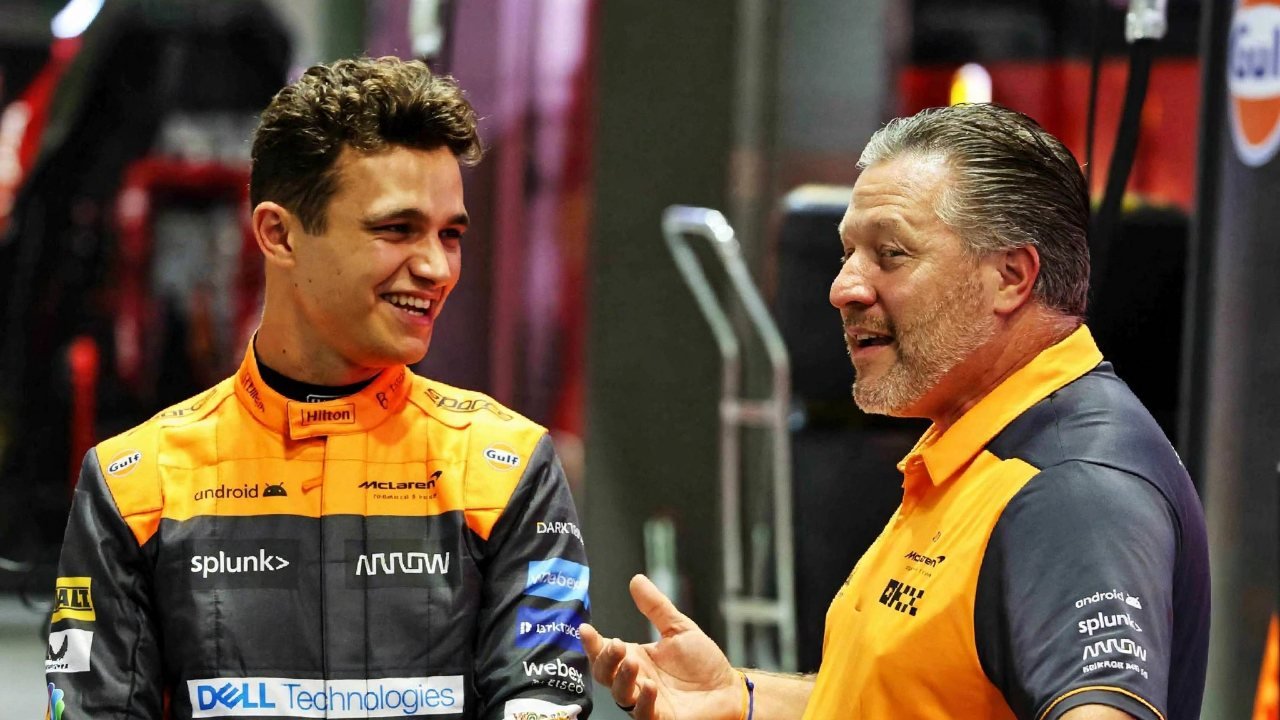
McLaren Racing chief executive Zak Brown has identified the cultural transformation of his team as the single biggest achievement of his decade in charge. Speaking in a wide-ranging interview marking ten years with the Woking-based outfit, Brown described the shift from a toxic environment to a high-performance, collaborative organisation as the foundation of McLaren’s return to the front of the Formula 1 grid.
The reflections come at a significant moment for the team. Brown joined McLaren Technology Group as executive director in 2016 and became chief executive of McLaren Racing in 2018. He is contracted through 2030, and his comments offer a rare insight into how a historic racing brand recovered its identity.
Inside the Toxic Environment Brown Inherited
When Brown arrived, McLaren had slipped down the order, lost commercial partners and developed a blame-oriented culture marked by leadership instability and internal divisions. He has repeatedly described the situation in uncompromising terms. “It was a very toxic environment,” Brown recalled. “It started with a real lack of alignment of the leadership as well as a lack of leadership. You had five different bosses in six years.”
According to Brown, that instability had a direct effect on behaviour. “That breeds a lack of trust and breeds toxicity inside an organisation,” he explained. Rather than working together, staff fell into a defensive mindset where, in his words, everyone was in “cover-their-ass mode and blame mode.”
The lesson is a familiar one in elite sport. When leadership changes frequently, priorities shift, accountability blurs and employees protect themselves rather than the team. Brown’s account suggests that McLaren’s difficulties were as much organisational as technical, and that no amount of engineering talent could compensate for a lack of trust.
Crucially, Brown stressed that the underlying talent was never the problem. Of the roughly 1,100 to 1,200 people employed at the time, he believed the vast majority were capable of winning. What the organisation required was a complete reset of its leadership structure, starting at the top.
The No-Blame Approach That Reset the Team
Brown changed key figures at the top, aligned the leadership team and set about rebuilding trust and excitement across the organisation. The return to the iconic papaya livery served as both a fan-driven decision and a clear signal that a new chapter had begun.
The cultural overhaul centred on what Brown and the team have called a “no-blame” environment. This approach focuses on solving problems rather than assigning fault, encourages collaboration across departments and ensures that every role feels connected to performance on track.
That last principle extended well beyond the garage. Commercial staff, finance teams and other non-race personnel were brought into the shared mission of making the car faster. In doing so, McLaren ended the old “us and them” dynamic between its racing and commercial sides.
For readers following the sport, the significance of this approach lies in its breadth. A no-blame culture is often discussed in the context of engineering and operations, yet Brown’s version deliberately includes every department. The message to staff is simple: whether they work in the factory, the finance office or at the circuit, their contribution connects directly to what happens on track.
Championship Results Built on Cultural Change
That foundation delivered measurable results. McLaren claimed consecutive Constructors’ Championships in 2024 and 2025, while Lando Norris secured the Drivers’ title in 2025. The team has also won races this season.
Brown described the turnaround from the struggles of early 2023, when the team started the season near the bottom of the order, as one of the biggest recoveries in Formula 1 history. The speed of that change underlines how decisively culture can shape competitive performance.
The sequence matters. Culture came first, and the results followed. Brown places the 2024 and 2025 titles and the recovery from the early 2023 struggles within the same story, presenting them as consequences of a reset in leadership, alignment and trust rather than as isolated engineering breakthroughs.
Brown also drew a line between recovering performance and protecting identity. “I knew we had an unbelievable brand that needed to be rejuvenated. But you can’t take our history away from us… The canvas that we have now painted on is what I had hoped we would get to. I’m very proud of where we are.”
ALSO READ: Marco Antonelli: Podium Lift Was Kimi’s Ideal Gift
Why Zak Brown Says Success Is Not an Entitlement
Despite the celebration of what he calls the “papaya era dynasty,” Brown remains measured about the future. He insists that past success confers no entitlement. “The fact that we won in 2024 and 2025 and that we have won races this year, that doesn’t entitle us to anything in 2027. We have got to earn it,” he said.
McLaren is also looking beyond Formula 1. The organisation continues to expand into IndyCar, is preparing a return to the FIA World Endurance Championship, and is investing in infrastructure while celebrating the legacy of founder Bruce McLaren. This ambition shows a team planning for the long term rather than defending recent titles.
Summing up the decade with characteristic energy, Brown said: “What a decade! I’ve loved every moment of it. Or almost every moment of it. It’s been a lot of hard work and it’s not getting any easier. It’s been fantastic and we’re going to do it again.”
Taken together, the comments reinforce a consistent theme in Brown’s public reflections. Technical excellence and commercial growth matter, but culture and leadership alignment were the decisive factors in restoring McLaren to the front of the grid while preserving the identity of one of motorsport’s most historic teams.