
Mercedes Seal 2026 Constructors’ Title Amid Wet-Dry Disorder

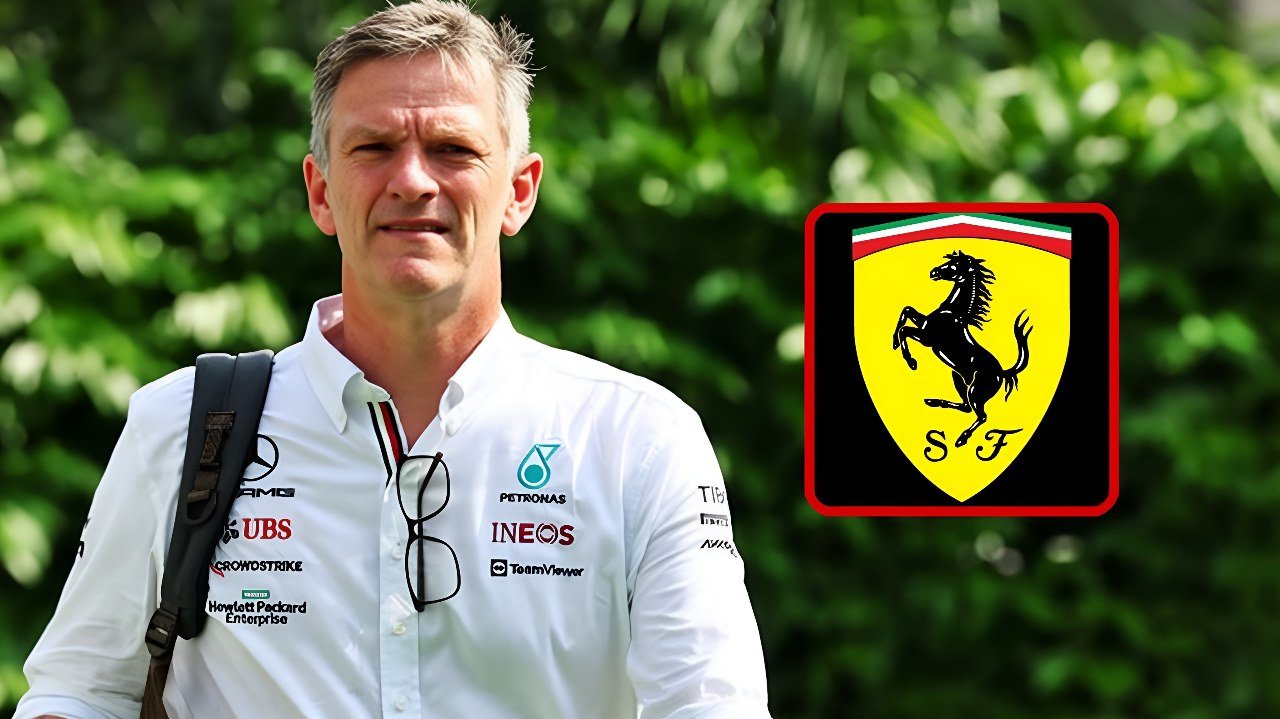
Mercedes technical director James Allison has delivered a candid verdict on Ferrari’s display at the São Paulo Grand Prix. He insists the Scuderia never posed a genuine threat to the Silver Arrows, even while Mercedes wrestled with its own difficulties in chaotic conditions. The comments follow a wet-dry-wet race at Interlagos, where Mercedes secured the 2026 Constructors’ Championship and confirmed its dominance over a long and demanding season.
Speaking on a recent radio programme dedicated to the team, Allison reflected on the result. George Russell finished fourth and Kimi Antonelli fifth, which earned the team 22 points against Ferrari’s six. That haul extended Mercedes’ advantage to an unassailable 142 points and delivered the squad’s ninth constructors’ title, its first since 2021.
“Ferrari was having such a disastrous race that even with all the problems we were having ahead of them, we never really felt they could threaten us,” Allison said. The assessment carries weight because it comes from the technical director, whose team had its own problems to solve.
Tyre Troubles Test Mercedes in Changing Conditions
Mercedes faced significant challenges of its own. Both cars struggled during the switch from intermediate to slick tyres, because residual standing water rapidly cooled the rubber after the cars left their tyre blankets. Drivers reported sharp drops in surface temperature after hitting puddles, which forced an uphill battle to restore the tyres to the correct operating window.
Both Russell and Antonelli left the track during the first slick stint, and Antonelli also suffered heavy flat-spotting. Allison noted that once the tyres recovered, the car’s pace was competitive and stable. Antonelli was able to match Lando Norris’s rhythm at times despite the damaged rubber, although he could not quite equal Russell’s pace on undamaged tyres.
Rain Returns and Rear Tyres Take a Hit
Further problems emerged when rain returned later in the race. Allison explained that both drivers were overly aggressive with the throttle during their second intermediate stint. The track remained close to dry enough for slicks in places while the rain intensity increased, and that combination quickly destroyed the rear tyres.
“The rear tyres took a real hit… We damaged them straight away and, at that point, they were finished,” he said. The admission shows how fine the line was between managing a tricky surface and losing performance entirely, and it explains why Mercedes could not convert its early intermediate pace into a realistic chance of victory.
Calm Leadership on the Mercedes Pit Wall
Despite the spins, tyre damage and overall complexity of the race, the Mercedes pit wall maintained control. Vice team principal Bradley Lord stressed that one of the main challenges was projecting calm from the wall and garage to the drivers. They were reporting unusual car behaviour and needed reassurance to stay focused.
Lord also confirmed that the team never believed the Constructors’ Championship was in danger. “I don’t think there was a moment when we wouldn’t have still secured the title. We were always ahead of the Ferraris on track,” he said. His remarks reinforce Allison’s view and point to a squad that kept its composure while conditions kept changing.
ALSO READ: Wolff Offered to Quit Mercedes. Källenius Said No
Ferrari’s Disastrous Afternoon at Interlagos
Ferrari’s afternoon matched Allison’s description. Charles Leclerc finished eighth after a five-second penalty and later called the team’s performance “a complete disaster.” Lewis Hamilton, starting his 400th Grand Prix from near the back of the grid, recovered to ninth. The Scuderia scored only six points in total and was never in a position to capitalise on Mercedes’ issues.
Leclerc pointed to longstanding difficulties in mixed conditions. He noted that the car felt as though it was driving on ice early on and that the team has rarely managed such races successfully in recent years. That candid reflection suggests the problems ran deeper than a single poor afternoon.
The result capped a dominant campaign for Mercedes, which had already seen Antonelli clinch the drivers’ title in Mexico the previous week. At Interlagos the team showed strong pace on intermediates in the early stages, before the slick transition and the problems that followed cost it a realistic chance of victory.
Lando Norris converted pole position into a controlled victory ahead of Max Verstappen, who charged from 21st on the grid to finish second. Isack Hadjar completed the podium, while the Mercedes pair followed in fourth and fifth. That order shows how far the wet-dry-wet conditions reshuffled the usual running order.
Taken together, the comments from Allison and Lord underline a clear reality from the weekend. Even when the Silver Arrows were not at their sharpest, the performance gap to their closest constructors’ rival proved decisive. Ferrari’s inability to exploit Mercedes’ tyre and operational struggles left little doubt about the hierarchy on the day.
For Mercedes, the title is a significant milestone. The ninth constructors’ crown arrives after a gap of five seasons, and it was secured in a manner that tested the team’s tyre management, driver discipline and communication under pressure. The squad based in Brackley can celebrate a hard-fought but secure championship.
Ferrari, meanwhile, must confront its struggles when conditions change. Leclerc’s frank remarks, combined with Hamilton’s recovery drive from the back of the grid on a milestone weekend, leave the Scuderia with plenty to examine before the next race. Supporters will want to see whether the team can solve its mixed-condition weaknesses before another unpredictable weekend arrives.
In short, Allison’s verdict on the São Paulo weekend is straightforward. Mercedes endured a messy race, yet it controlled the contest that mattered most, while Ferrari’s own disastrous afternoon ensured the championship was never truly in doubt.