

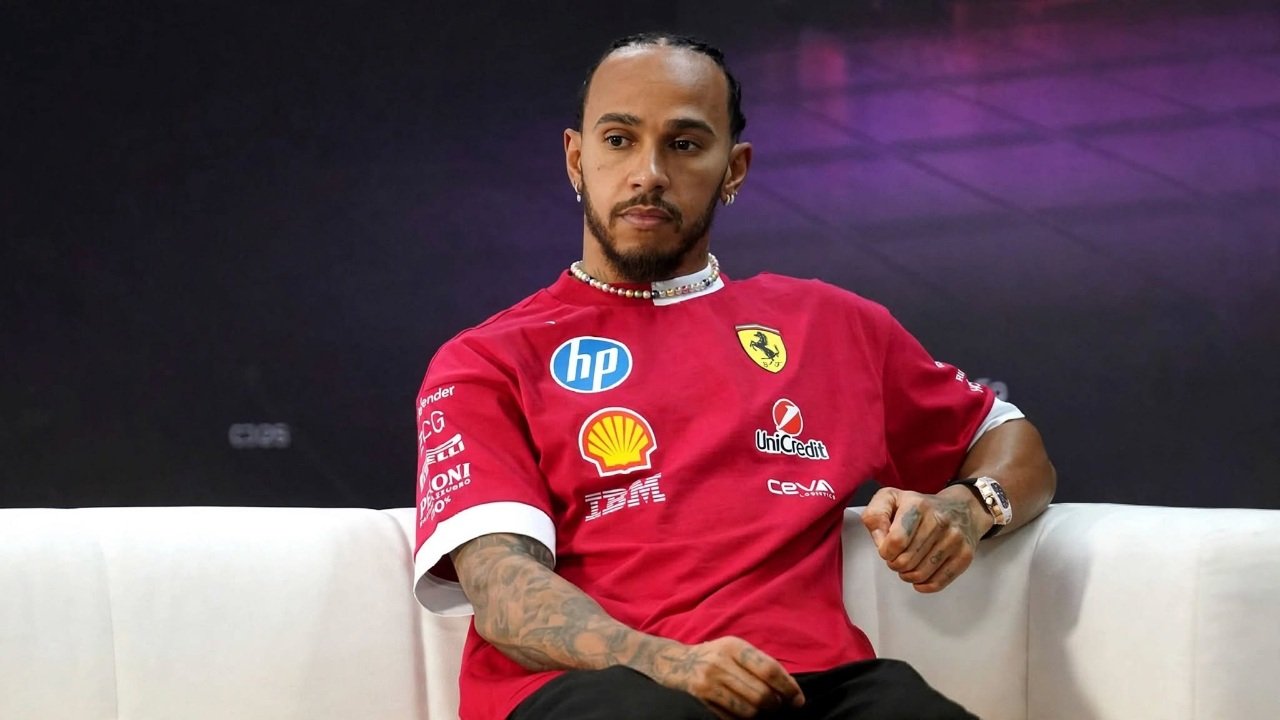
Seven-time champion rejects critics of F1’s young generation
Lewis Hamilton has used the moment of Kimi Antonelli’s world championship to restate a conviction he has held for years. The seven-time champion says Formula 1’s newest stars deserve support, not scorn from those who raced before them. Speaking after Antonelli secured the title in only his second season, the Ferrari driver said he felt genuine pride watching a new generation arrive at the front of the grid.
The comments quickly drew attention across the paddock, partly because of their directness and partly because of who delivered them. Hamilton does not speak as an outsider. He has lived through the scrutiny that accompanies a young driver’s rise, and his words reflect that experience rather than abstract opinion.
A Title Win That Made History
Antonelli’s championship rewrote a record. The Italian became the youngest world champion in Formula 1 history, taking the crown in just his second season in the sport. Along the way he won nine grands prix and stood on the podium 16 times over the season.
Antonelli was not the only young name to make an impression. Red Bull’s Isack Hadjar, 22, took three podium finishes in his second season, underlining how much the sport’s newest talents have achieved this year.
The previous benchmark belonged to Sebastian Vettel, whose own title set the standard for youthful success in the sport. Antonelli’s achievement moves that milestone to a new name and arrives at a time when Formula 1 teams have shown growing willingness to place young talent in competitive seats.
What Hamilton Said About Former Drivers
Hamilton’s central message was direct. He said he regularly sees former Formula 1 drivers and older racers “just talking smack about young people all the time.” In his view, many of those critics show “no empathy,” even though they faced the same intense pressure earlier in their own careers.
He added that he had always been determined not to become “that type of driver.” The distinction matters, because it frames his support as a personal commitment rather than a passing reaction to a single result. Hamilton presented it as a standard he sets for himself, one that he intends to keep even after his racing days end.
Coverage of the remarks indicates the criticism was not limited to retired figures. Some of his peers still racing in the championship were also included in his point, which makes the message broader than a simple retired-versus-current divide.
A Position Built Over Several Seasons
None of this is new. Reports from late 2025 recorded Hamilton defending the rookie class of that year against what he called older drivers who had not achieved much. Antonelli, Oliver Bearman, Isack Hadjar and Gabriel Bortoleto were among the debutants then adjusting to life at the top level.
Around the same time he spoke about remembering his own arrival in 2007 as a newcomer, a perspective rooted in firsthand experience. That personal history gives his advocacy weight. He is not describing a hypothetical; he is describing something he lived.
Hamilton’s link to the new champion is also personal. When he left Mercedes for Ferrari, he urged the team to promote Antonelli into his seat. He has since said the title shows that recommendation was the right decision, and he praised Antonelli’s abilities, enthusiasm and charm from his junior years.
Earlier in the season Hamilton had joked with Antonelli, telling him to “slow down” as the Mercedes driver closed in on the championship. The humour carried genuine respect. Hamilton also said Antonelli deserved the title, an endorsement that carried weight because it came from a seven-time champion.
ALSO READ: Toto Wolff Reveals Sofa Nights With Kimi Antonelli
Why the Message Matters for Formula 1
Beyond the champion himself, Hamilton drew attention to the wider grid. He noted that young drivers, including those not fighting at the front, arrive at circuits every week under heavy scrutiny, absorb their mistakes and keep pushing forward with humility. In his assessment, the mental demands of Formula 1 make that recovery especially impressive.
That emphasis is worth noting. Public debate about young drivers tends to focus on the champion or the headline mistake, while the daily psychological load of racing at the highest level receives less attention. By naming it, Hamilton shifts the conversation from results to resilience.
It also raises a fair question for the sport’s commentary class. Former drivers hold genuine expertise, and informed criticism remains a legitimate part of analysis. The issue Hamilton identifies is tone and empathy, not the right to hold an opinion. Whether every veteran shares his outlook remains open to debate, but the consistency of his own position is clear.
For fans and followers of the sport, the episode offers a useful lens on how the sport is changing. A grid that includes a 20-year-old champion and several drivers in their early twenties is a grid in transition, and the way senior figures speak about that transition shapes the culture around it.
Hamilton’s remarks should be read in that context. They are not a verdict on any individual pundit but a statement of values from a driver with nearly two decades of experience at the top. For younger drivers watching, the message is clear: their effort is seen and respected by one of the sport’s most decorated figures.
As the season moves toward its final races, Antonelli’s record and Hamilton’s response will both remain part of the story. One shows how quickly a young driver can reach the summit. The other shows how a champion can choose to welcome that rise instead of resisting it. Both deserve continued, careful attention.