

Heart-Rate Data Is Staying Private as Whoop Deal Takes Shape
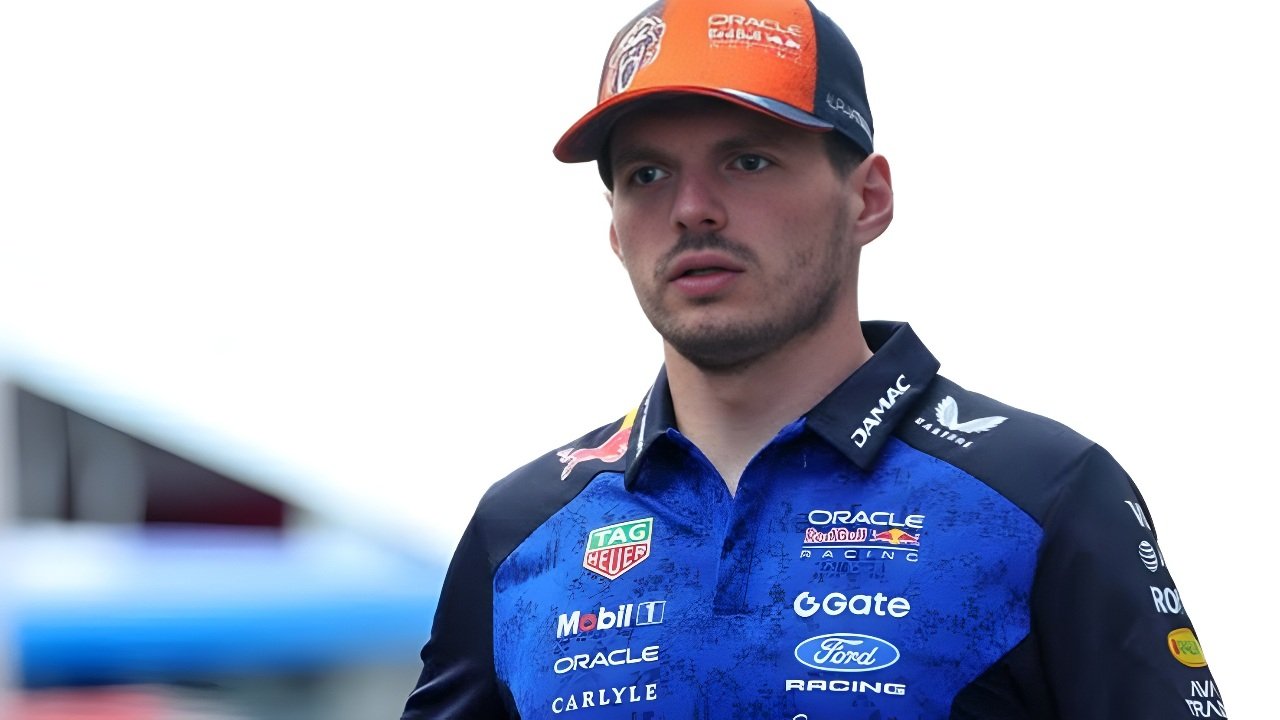
Max Verstappen has confirmed that he will not take part in Formula 1’s new biometric data plan with wearable technology company Whoop. The Red Bull driver made clear that he does not use any tracking device and has no intention of sharing his heart rate with the public. The announcement arrives as Formula 1 prepares to bring driver physiology into its broadcasts from the 2027 season, and it highlights how differently the sport’s biggest names view personal data.
What Formula 1 Announced With Whoop
Formula 1 unveiled a multi-year partnership with Whoop around the Las Vegas Grand Prix. Under the arrangement, participating drivers will wear Whoop devices from the 2027 season, typically on the upper arm inside a fire-resistant sleeve. Selected biometric information, mainly heart rate, heart-rate zones and related stress metrics, can then be displayed live in television graphics and other coverage.
Wearable technology has become a familiar feature of elite sport, and the appeal for broadcasters is easy to see. Heart-rate and stress readings could add a new layer to storytelling during restarts, safety-car periods and wheel-to-wheel battles, showing viewers the physical demands that sit behind every lap.
The concept has already been tested in front of audiences. Demonstrations used data from Charles Leclerc at the British Grand Prix and from Liam Lawson at the Brazilian Grand Prix, giving viewers an early look at how a driver’s pulse might change through a race. Crucially, participation is voluntary and requires each driver’s explicit consent, which means no competitor can be compelled to share this information.
Verstappen Explains Why He Will Stay Out
Verstappen’s response was direct and left little room for interpretation. He said he will not be involved and does not use any device. His position is not limited to race weekends, because he does not wear trackers even during training.
His comments were matter-of-fact rather than combative. He did not present the decision as a protest, and he did not suggest the technology is flawed. The message was simply that his body and his data are his own business, a position that is easy to understand and difficult to misrepresent.
His reasoning rests on two points. The first is personal confidence in his own judgement of his condition: he does not like being tracked and says he knows when he is tired. The second is privacy. On the idea of making the numbers public, he said people do not need to know his heart rate and described it as definitely a privacy matter for him.
Importantly, Verstappen did not criticise the wider initiative. He added that he is comfortable with other drivers taking part if they wish, but that it is not something he likes or wants people to see in his own case. That distinction matters, because it frames his stance as a personal choice rather than an objection to the partnership itself.
A Consistent Stance on Personal Monitoring
The refusal fits a long-standing pattern. Verstappen has consistently preferred to rely on how his body feels rather than on constant digital monitoring, and his comments on the Whoop plan are fully in line with that approach. In his view, his own sense of fatigue is a reliable enough guide, and he sees no reason to hand that judgement to a device.
Formula 1 cars generate vast amounts of data, yet Verstappen’s refusal draws a line between information about the machine and information about the person. His heart rate, as he sees it, belongs to him rather than to the audience. That distinction helps explain why a wearable that measures the body is treated so differently from the technology that measures the car.
Other drivers have taken a different view. George Russell has said he is not going to say no to the system, although he questioned how much value it would actually add to the broadcast. His answer suggests that willingness to take part does not necessarily mean confidence in the broadcast value.
ALSO READ: Racing Bulls Retain Lawson and Lindblad in F1 2027
What the Decision Means for Coverage
Because the scheme is voluntary, Verstappen’s refusal simply means that his data will not appear on screen. It does not stop the programme, and drivers who agree to participate can still be featured once it begins in 2027. The initiative will therefore rely on whichever drivers consent, rather than on a complete grid.
For fans, the episode illustrates the central tension of the plan: the appeal of seeing a driver’s pulse in real time must be balanced against an individual’s right to keep personal health information private. Verstappen has placed himself firmly on the privacy side of that balance, while making clear he has no quarrel with colleagues who choose differently.
The wider debate is likely to continue as the 2027 season approaches. Supporters will point to the entertainment value of live biometric graphics and the willingness of drivers such as Leclerc and Lawson to take part in demonstrations. Those who share Verstappen’s view will stress that consent, privacy and personal autonomy must remain at the heart of any arrangement that places a driver’s body on public display.
For now, the facts are straightforward. Formula 1 and Whoop have agreed a multi-year partnership, drivers will decide individually whether to wear the device from 2027, and Max Verstappen has said plainly that he will not be one of them. His message is consistent with his earlier comments about tracking: he knows when he is tired, he does not want to be monitored, and he sees his heart rate as a private matter rather than public content. His heart rate will not feature on screen.