

Four years on, Pérez still recalls the Interlagos order snub
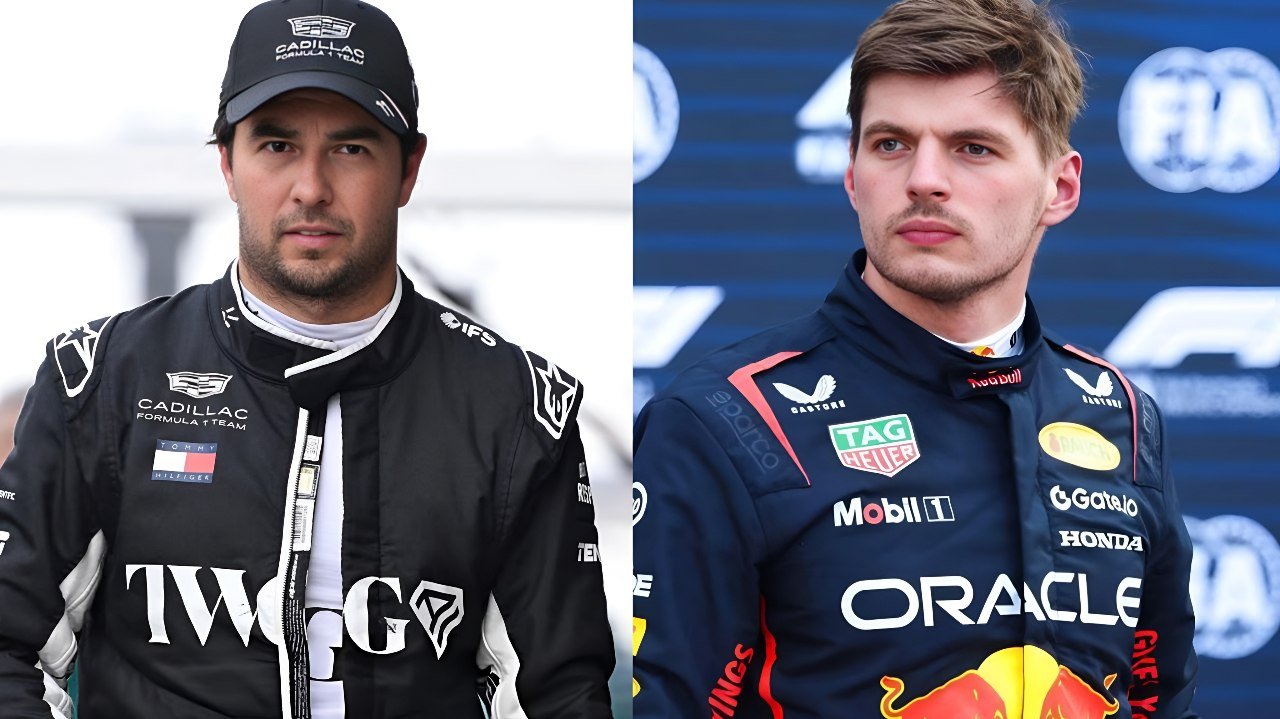
Sergio Pérez has revisited the 2022 Brazilian Grand Prix, saying the Interlagos episode with Max Verstappen remains the moment he remembers most from their time as Red Bull teammates. In recent remarks reported four years after the race, the Mexican driver recalled what he had expected that afternoon: that Verstappen would return a position after everything Pérez felt he had done for him. The comments reopen one of the most discussed team-order disputes of the modern era, and the verified record shows exactly why it still carries weight.
For readers following the 2026 season, the renewed attention is a reminder that driver relationships are shaped as much by single decisions as by results. A team order is a small instruction on a radio, yet its consequences can travel across seasons, affecting trust, public perception and the way both drivers speak about each other long after the points have been counted.
What Happened at the 2022 Brazilian Grand Prix
Interlagos itself delivered a memorable afternoon. George Russell took his first Grand Prix victory for Mercedes, while Red Bull, already crowned constructors’ champion, saw its very public internal disagreement dominate the post-race conversation. That contrast, a team at the peak of its season yet divided over a single position, is why the incident remains such a useful case study in modern team management and driver relations.
Verstappen had already secured the drivers’ championship before the race at Interlagos, but the weekend still held significant meaning for the standings behind him. Pérez and Ferrari’s Charles Leclerc were fighting for second place in the championship, and every point mattered. A safety car period late in the race reshuffled the order and left Pérez struggling on medium tyres after having been competitive on the softer compound.
Pérez allowed his teammate to pass in the closing stages so that Verstappen could attempt to catch Fernando Alonso and Leclerc. The attempt did not succeed, and the team then asked Verstappen to hand the position back. Pérez ultimately finished seventh, while Leclerc took fourth, and both drivers arrived at the season finale in Abu Dhabi level on 290 points.
Team Orders and the Radio Exchange That Followed
As the final lap began, race engineer Gianpiero Lambiase told Verstappen over the radio that if he could not pass Alonso, he should let Pérez through. The instruction was repeated, and Verstappen’s reply was direct: he had already made his position clear earlier and did not want to be asked again. He kept the place and finished sixth.
Pérez’s own radio message was brief. He thanked the team and said the moment showed who Verstappen really was. Team principal Christian Horner apologised to Pérez after the chequered flag. In his post-race comments, Pérez said he was very surprised given what he had done for Verstappen, and he said he did not understand his teammate’s reasons.
Championship Impact of the Missed Position
The practical effect on the championship was significant. Pérez entered the race holding second place, but Leclerc’s fourth-place finish lifted him level on points, and the battle was settled in Abu Dhabi. Leclerc ultimately finished runner-up, three points clear of Pérez, who took third overall.
Verstappen later explained that he felt the team should have known his answer, and said the matter had been discussed and resolved. He also said he had not been told about a possible swap beforehand. Whether the dispute was truly settled remains a matter of interpretation, but Pérez’s recent comments suggest that, for him, the memory has not faded.
ALSO READ: Steiner Warns Russell: Do Not Poke Max Verstappen!
How Red Bull Moved On After Interlagos
Red Bull’s handling of the situation drew scrutiny at the time. The instruction to return the position came as the final lap began, leaving almost no room for discussion, and Horner’s immediate apology to Pérez suggested the team understood how awkward the moment had become. In the days that followed, attention moved to Abu Dhabi, where Pérez said publicly that the incident had been left behind and that his focus was on the season finale.
The dispute also sat within a longer season narrative. Earlier in 2022, Pérez had followed a team instruction at the Spanish Grand Prix to let Verstappen pass, a point his supporters raised after Interlagos as evidence that he had been willing to put the team first. Verstappen, for his part, said he had already explained his reasoning to the team in Mexico, and that the team had understood and agreed.
Pérez’s immediate reaction after the race was blunt. He said that Verstappen’s two world titles were thanks to him, a statement that reflected frustration as much as arithmetic. In his recent remarks, the underlying point is the same: he expected the loyalty he had shown in difficult moments to be returned.
A note on sourcing is worth making. The race-day facts in this report, including the finishing positions, the points tally, the radio exchange and the apology from the team principal, are consistent across multiple contemporary accounts. Pérez’s recent remarks have so far been carried by a limited number of reports, so the precise wording should be treated with appropriate care until further coverage confirms it.
The Brazil 2022 episode ultimately illustrates how a single unresolved moment can define a teammate relationship. Verstappen’s refusal reflected his competitive instinct, while the request to return the place rested on an earlier favour from Pérez. That tension between racing ambition and team obligation explains why the story keeps returning. For Pérez, looking back four years later, Interlagos remains the clearest example of what he expected from a teammate and did not receive.